Monkeypox Signs and Symptoms | disease | Treatment and prevention
What is Monkeypox
There are isolated cases of monkeypox in portions of West and Central Africa. It is related to smallpox, which was successfully eradicated by a worldwide vaccine programme by the year 1980, but fortunately it is far less contagious and rarely lethal. Nearly all instances outside of Africa, where rodents, not monkeys, are thought to carry the virus and occasionally infect humans, were previously connected to travel to the continent.
One of the reasons the present outbreak is creating alarm is because it is unique. Doctors are finding cases that have absolutely nothing to do with travel, both in North America and overseas.
Many of these patients identify as guys and engage in male sexual activity. Even while the disease may be locally transmitted through sexual activity, no particular population is immune to it.
What happens if I contract an infection?
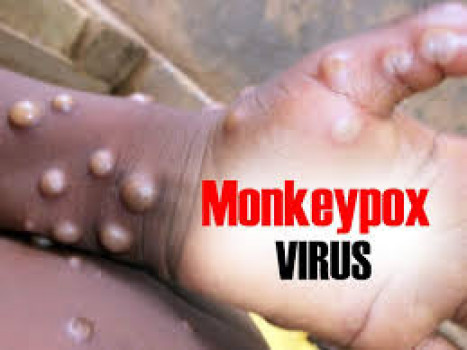
The majority of patients first experience flu-like symptoms. They'll experience sickness, fatigue, and fever, as well as possible headaches, a sore throat, and swollen lymph nodes. The disease's characteristic rash follows in a matter of three days and frequently develops on the face or genitalia prior to spreading.
There are various stages to the rash. It begins flat and red, changes to hard, liquid-filled blisters, and then forms scabs that fall off. Monkeypox always involves a rash, regardless of the accompanying symptoms.
Exist therapies and vaccines?
Monkeypox is treatable with the smallpox vaccine. People who have had close contact with a confirmed case are being offered vaccinations by L.A. County and a few commercial labs. The county has already given out about 800 doses, and it wants to continue giving additional shots to high-risk individuals. Antiviral medicines and other therapies are also available to help minimise outbreaks, lessen symptoms, and generally improve your health.
Symptoms of monkey pox
A rare condition known as monkeypox is brought on by infection with the monkeypox virus. The monkeypox virus is a member of the same virus family as smallpox. Smallpox symptoms are comparable to those of monkey pox, but they are milder, and monkey pox rarely results in death. Monkey pox and chicken pox are unrelated.
Symptoms of monkeypox can include:
Fever
Headache
Muscle aches and backache
Swollen lymph nodes
Chills
Exhaustion
A rash that can resemble pimples or blisters and that can form on the face, the inside of the mouth, the hands, feet, chest, genitals, or the anus.
Follow these instructions to avoid contracting monkeypox:
Do not come in close contact with somebody who has a rash that resembles monkeypox.
Never touch a monkeypox victim's rash or sores.
Avoid sharing intercourse, kissing, hugging, and cuddling with someone who has the monkeypox.
Sharing cups or eating utensils with someone who has monkeypox is not advised.
Never handle or touch a person who has monkeypox's bedding, towels, or clothing.
Use an alcohol-based hand sanitizer or often wash your hands with soap and water.
Avoid interacting with rodents and primates in Central and West Africa as they are the main carriers of the monkeypox virus. Avoid touching bedding or other items that ill or dead animals have touched, as well as sick or dead animals.
If you have the monkey pox:
Stay alone at home
When feasible, stay in a separate room or area away from the people or pets you live with if you have an active rash or other symptoms.
Vaccination
The CDC advises vaccination for those who have had monkeypox exposure and those who are more likely to get it, such as:
People who have been identified as contacts of a monkeypox case by public health agencies
Individuals who could have been exposed to monkeypox include:
people who are aware that one of their sexual partners has had monkeypox over the preceding two weeks
Those who had several sexual partners within the previous two weeks in a region where monkeypox is known to exist
People who may be exposed to orthopoxviruses due to their occupations include
Orthopoxvirus testing specialists in laboratories
employees in laboratories who handle orthopoxvirus-infected cultures or animals
a few specially trained healthcare or public health personnel
TREATMENT
For infections caused by the monkeypox virus, there are no specific therapies. However, because the monkeypox and smallpox viruses share genetic characteristics, antiviral medications and vaccinations created to guard against smallpox may also be used to treat and prevent infections with the monkeypox virus.
People who are more prone to become seriously ill, such as individuals with compromised immune systems, may be advised to take antivirals such tecovirimat (TPOXX).
Even if you don't believe you have had contact with anyone who has the disease, you should consult your doctor if you get symptoms of monkeypox.